





LIQUID COOLING CONNECTIONS · SEALING AND SERVICE REQUIREMENTS
What Must Stay Sealed When a Cooling Connection Is Serviced?
A removable cooling line needs to do more than carry coolant while connected. When a cold plate or equipment module is serviced, the buyer also needs to consider what happens during separation and how each disconnected half seals. These requirements deserve a clear place in the quick-disconnect specification.
MH designs and manufactures compact liquid cooling quick disconnects with an aerospace fluid-control background and application experience in data centers, AI servers, supercomputers and other high-reliability equipment. This guide helps purchasing and engineering teams turn a request for a non-spill coupling into useful questions about the complete mating pair.
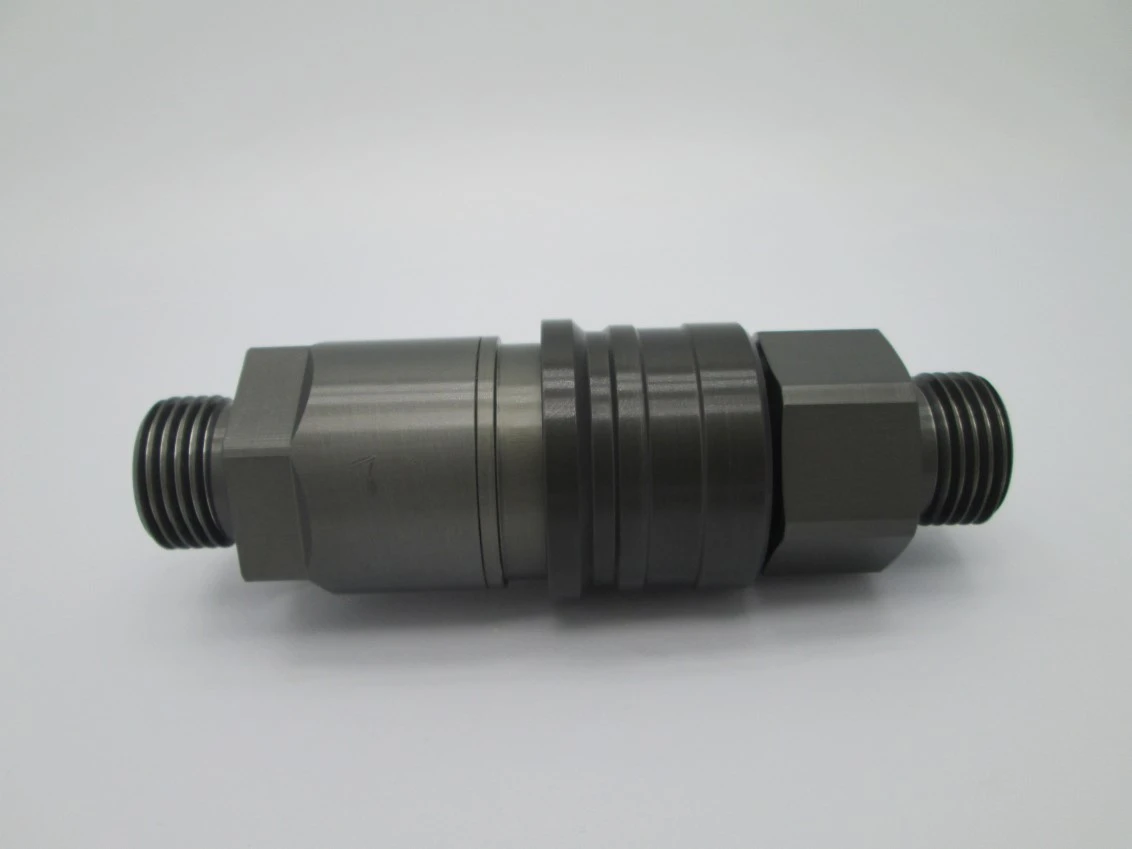
A ball-locking cooling connection example. Mechanical retention, valve action and sealing surfaces work together; the locking style alone does not establish a liquid-release specification.
Four Performance Questions to Keep Separate
| Condition | What to specify |
| Connected sealing | External leakage while the assembled pair holds or carries coolant at defined pressure and temperature. |
| Release during separation | Fluid released as the halves disengage, using an agreed observation or collection method. |
| Disconnected shut-off | Leakage from each separated half over a specified hold time and pressure condition. |
| Air inclusion | Air introduced into the fluid path during reconnection, where relevant to the cooling loop. |
A dry exterior during connected operation does not answer how much fluid is released during separation. A shut-off check at one disconnected end does not establish the result at the other. Define the conditions your equipment actually needs.
Double Shut-Off and Non-Spill Describe Different Aspects
A double shut off coupling closes both fluid ends when disconnected. That describes the valve function. A non spill coupling addresses liquid release during separation. Valve closure and liquid held around the interface need to be considered together; a label by itself is not an acceptance method.
Buyers may also search for a dry break quick disconnect or dripless quick connect fittings. Use those terms to begin the discussion, then ask for a defined performance statement for the selected model. Surface wetting, a visible falling drop and collected volume are different observations. Air inclusion is another requirement and should be stated separately.
MH's Sealing Commitment and Selected-Model Test Experience
MH's stated liquid cooling quick-disconnect sealing guarantee is no more than one drop over 100 connection/disconnection cycles. Selected products have also completed several hundred mating operations in testing without an observed drop. This provides a concrete starting point for discussing repeated-operation sealing requirements.
The guarantee and the selected-model observations are distinct. They do not mean every model has completed the same test or every coolant, pressure and temperature combination has the same result. The 100-cycle figure is a sealing-performance statement, not a service-life limit. A drop is not converted here into a fixed millilitre quantity.
For your project, agree what constitutes a complete cycle, where and when observations are taken, and which condition is being accepted. If your equipment specification requires a volumetric result, discuss the measurement method and reporting format with MH.
Define the Fluid, Pressure and Maintenance Sequence
Fluid and materials: provide the exact formulation, concentration, additives and wetted-material restrictions. For a water cooling quick disconnect, "water cooling" alone is insufficient to select the seal configuration.
Pressure and temperature: distinguish connected working pressure from residual service pressure and conditions at each separated half. An operating-pressure rating is not automatically the permitted pressure for mating or separation.
Sequence and acceptance: explain isolation, separation and reconnection steps; specify observation time, cycle count, visual or collection method and required records. Include fluid and ambient temperature during the conditions to be evaluated.
Making Sealing Features Work Together
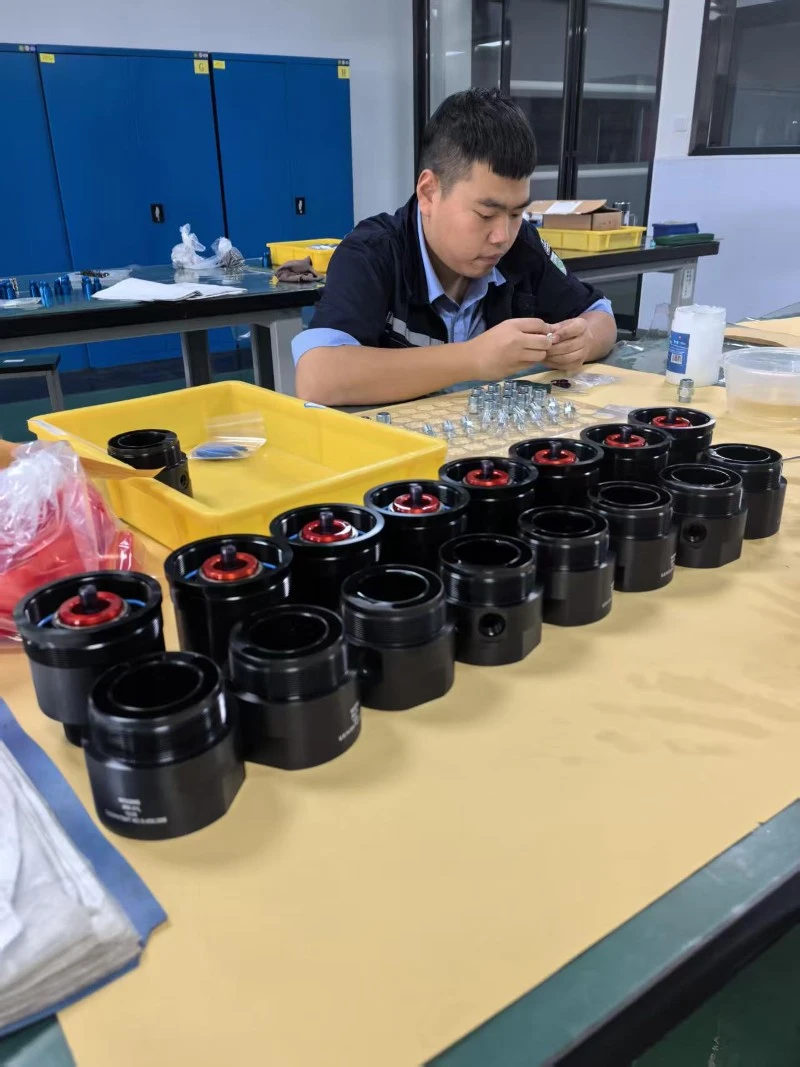
Compact connections leave limited room for valve parts, seals and mating features. Functional dimensions and seal-contact surfaces need to be produced consistently and brought together through assembly. MH combines valve and seal design, precision manufacturing, assembly and testing to develop the complete connection.
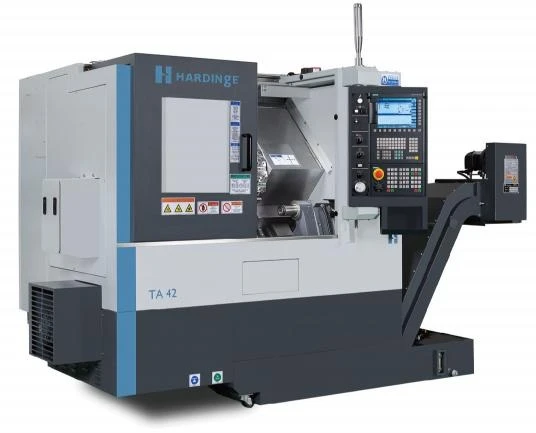
Precision turning supports bodies, internal components and mating features defined by the drawing. Inspection requirements follow the function of those features, rather than exterior appearance alone.
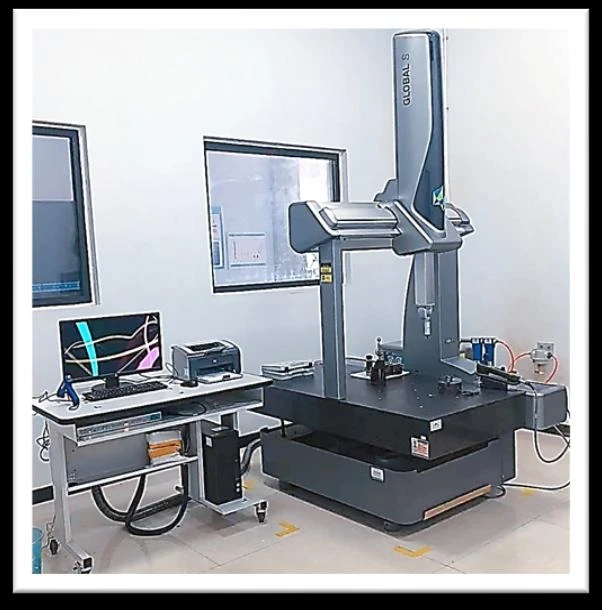
Dimensional measurement supports the specified geometry and interface relationships. Dimensional inspection and finished-assembly sealing tests answer different questions; the project acceptance plan should connect them.
Choose the Structure Around the Service Location
An accessible line may suit a manual locking design. A rear connection engaged by module insertion needs a blind-mate integration approach. For MH's illustrated 2x designs, equipment-side guidance and external retention are part of that arrangement. Neither manual locking nor blind mating alone establishes a spill value.
Small and compact interfaces are a particular MH strength. Judge the complete installation envelope, operating access and line routing as well as passage size. Provide required flow and allowable pressure drop alongside sealing requirements.
What Should Procurement Ask Before Selecting a Pair?
Which performance condition does the result describe?
Identify whether it covers connected sealing, release during separation or disconnected shut-off, together with the tested configuration and conditions.
What supports repeat supply?
Agree the complete mating pair, drawing revision, material and seal configuration, inspection requirements and acceptance records. Do not infer interchangeability from bore size or appearance.
Can we begin without a finished drawing?
Yes. Send the interface, available space and fluid requirements. MH can participate in OEM/ODM design development as well as manufacture to an agreed drawing.
Start with Your Maintenance Requirement
Send the coolant specification, pressure and temperature conditions, connection layout and intended service sequence. Include any existing leakage or spill requirement and its test method. MH can discuss an existing compact design or a custom connection before the internal product drawing is complete.
Discuss Your Sealing and Service Requirements
Explore manual cooling connections, blind-mate designs and custom OEM/ODM development.