









M0.5 Precision Gear Ring for Aerospace Instruments
This M0.5 precision gear ring is designed for aerospace instrument mechanisms where smooth angular transmission, stable positioning, low-speed accuracy, and long-term reliability are critical. With a 360-tooth external gear structure, lightweight ring design, and controlled gear accuracy, it is suitable for aviation instruments, rotary indication mechanisms, sensor positioning systems, and precision aerospace control modules.
In aerospace instruments, gear performance is not only about power transmission. It directly affects indication accuracy, pointer stability, angular repeatability, vibration resistance, and long-term calibration reliability.
Product Overview
Aerospace instruments often operate under demanding conditions such as vibration, temperature change, long service cycles, and strict accuracy requirements. The internal gear components must provide stable motion without introducing excessive backlash, runout, noise, or angular error.
This precision gear ring is suitable for applications requiring:
- Accurate angular output
- Smooth low-speed rotation
- Stable instrument indication
- Fine positioning resolution
- Lightweight mechanical structure
- Reliable long-term meshing
- Custom manufacturing based on drawings
Unlike ordinary industrial gear rings, this part is designed for precision rotary positioning and aerospace-grade instrument mechanisms, where small transmission errors may affect the final reading or system response.

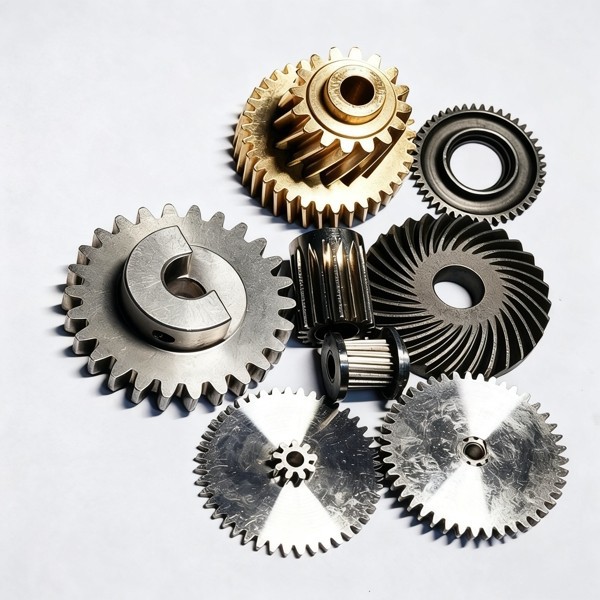
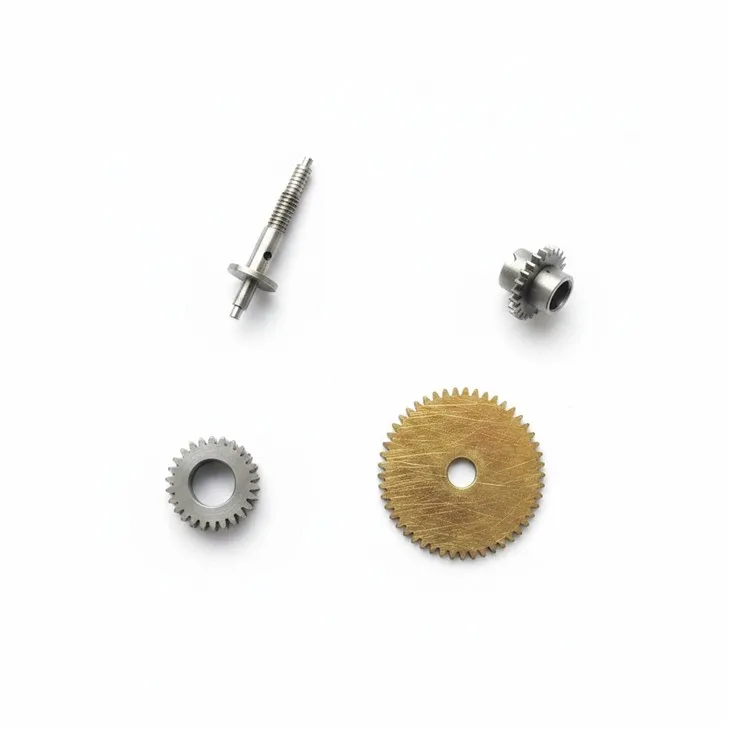
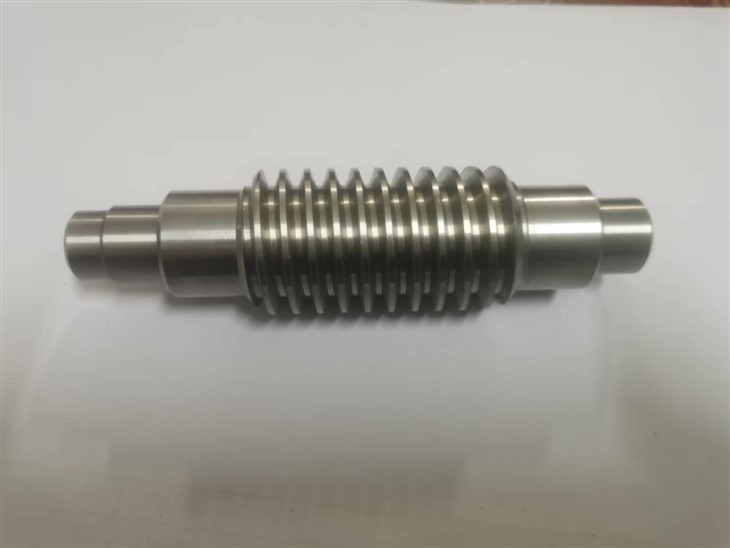
Aerospace Micro Gears Collection
Why This Gear Ring Fits Aerospace Instrument Applications
1. 360-Tooth Design for Fine Angular Resolution
The gear ring has 360 teeth, making it highly suitable for angular positioning and rotary indication mechanisms. Each tooth corresponds to approximately one degree of rotation, which is valuable for aerospace instruments requiring fine angular division and stable mechanical output.
This helps support:
- Instrument pointer positioning
- Rotary scale indication
- Sensor angle adjustment
- Fine mechanical indexing
- Stable low-speed angular movement
For aerospace instruments, this kind of high-tooth-count design can improve the mechanical basis for precise angle transmission.
2. M0.5 Small Module for Compact Instrument Mechanisms
Aerospace instruments usually have limited internal space. The M0.5 small-module tooth profile allows the gear ring to provide precise transmission within a compact mechanical envelope.
This is useful for:
- Small instrument housings
- Compact rotary modules
- Sensor positioning assemblies
- Lightweight indicator mechanisms
- Miniature aerospace mechanical systems
The small-module structure helps reduce space occupation while maintaining fine tooth engagement.
3. Lightweight Ring Structure for Aviation Systems
The gear ring uses a lightweight pocket structure to reduce unnecessary mass. In aerospace applications, every gram matters. A lighter gear ring can help reduce inertial load and improve response stability in sensitive instrument mechanisms.
Benefits include:
- Lower rotating inertia
- Reduced drive load
- Improved response sensitivity
- Better vibration behavior
- More compact instrument structure
This makes the gear ring suitable for aerospace instruments where weight, stability, and accuracy must be balanced.
4. Controlled Gear Accuracy for Stable Indication
The gear ring is designed with defined accuracy parameters:
| Accuracy Item | Symbol | Value |
|---|---|---|
| Cumulative Pitch Error | Fp | 0.032 mm |
| Tooth Profile Error | ff | 0.008 mm |
| Single Pitch Deviation | fpt | 0.005 mm |
| Lead / Tooth Trace Error | Fβ | 0.006 mm |
| Gear Accuracy Grade | - | 6-h, GB2363-90 |
For aerospace instruments, these values are important because tooth errors can directly influence:
- Pointer fluctuation
- Scale reading stability
- Angular output accuracy
- Low-speed rotation smoothness
- Long-term repeatability
Aerospace Instrument Customer Pain Points
Pain Point 1: Angular Error Affects Instrument Reading
In aviation instruments, small transmission errors may cause incorrect indication or unstable readings. Customers care about whether the gear can maintain stable angular transmission over repeated operation.
Our solution: controlled pitch accuracy, tooth profile consistency, and gear inspection help improve angular output stability.
Pain Point 2: Backlash Causes Pointer Shake or Delayed Response
Backlash can cause pointer vibration, delayed movement, or poor repeatability in mechanical indication systems.
Our solution: gear accuracy, center distance control, and mating gear review can help reduce unnecessary motion loss and improve response consistency.
Pain Point 3: Vibration Can Disturb Meshing Stability
Aircraft instruments may experience vibration during operation. Poor gear geometry can amplify noise, wear, and unstable movement.
Our solution: stable tooth geometry and controlled runout help support smoother meshing under vibration-sensitive conditions.
Pain Point 4: Weight and Space Are Limited
Aerospace instruments require compact and lightweight components. Standard heavy gear structures are often unsuitable.
Our solution: the lightweight pocket structure reduces mass while maintaining the functional gear ring geometry.
Pain Point 5: Custom Drawings Require Reliable Manufacturing
Aerospace instrument gears are often non-standard and must match a specific mechanism.
Our solution: we support custom manufacturing based on drawings, 3D models, mating gear data, and inspection requirements.
Typical Aerospace Instrument Applications
This gear ring can be used in:
- Aviation mechanical instruments
- Rotary indication mechanisms
- Aerospace angular positioning systems
- Sensor positioning modules
- Attitude / navigation instrument mechanisms
- Precision dial or pointer drive assemblies
- Lightweight rotary transmission units
- Aerospace test and calibration equipment
- It is especially suitable for systems where low-speed rotation, fine angular positioning, and stable indication are more important than heavy-duty power transmission.
Manufacturing Focus
For aerospace instrument gear rings, the key manufacturing focus is consistency, not only shape.
Important control points include:
- Gear pitch accuracy
- Tooth profile stability
- Runout control
- Bore-to-tooth concentricity
- Mounting hole position accuracy
- Thin-wall deformation control
- Lightweight pocket machining stability
- Mating pinion center distance verification
- Final gear inspection report
These factors help ensure that the gear ring performs reliably inside precision instrument assemblies.

Quality Control


Custom Manufacturing Support
We support custom aerospace instrument gear ring production based on:
2D drawings
3D models
Mating pinion data
Material requirements
Accuracy grade requirements
Surface treatment requirements
Prototype or production quantity
Inspection report requirements
Custom options include:
Module
Tooth number
Outer diameter
Inner bore
Mounting holes
Lightweight pocket design
Material
Heat treatment
Surface finish
Gear accuracy grade
Why Choose Us
We are suitable for customers who need custom precision gear rings for aerospace instruments and high-reliability rotary mechanisms.
Our advantages include:
- Aerospace-origin precision manufacturing background
- Experience with small-module precision gears
- Custom gear manufacturing based on drawings
- Thin-wall and lightweight structure machining capability
- Gear inspection and dimensional verification support
- Prototype-to-production manufacturing support
- Engineering review before quotation
We focus on precision components where reliability, repeatability, and inspection control matter more than standard catalog availability.

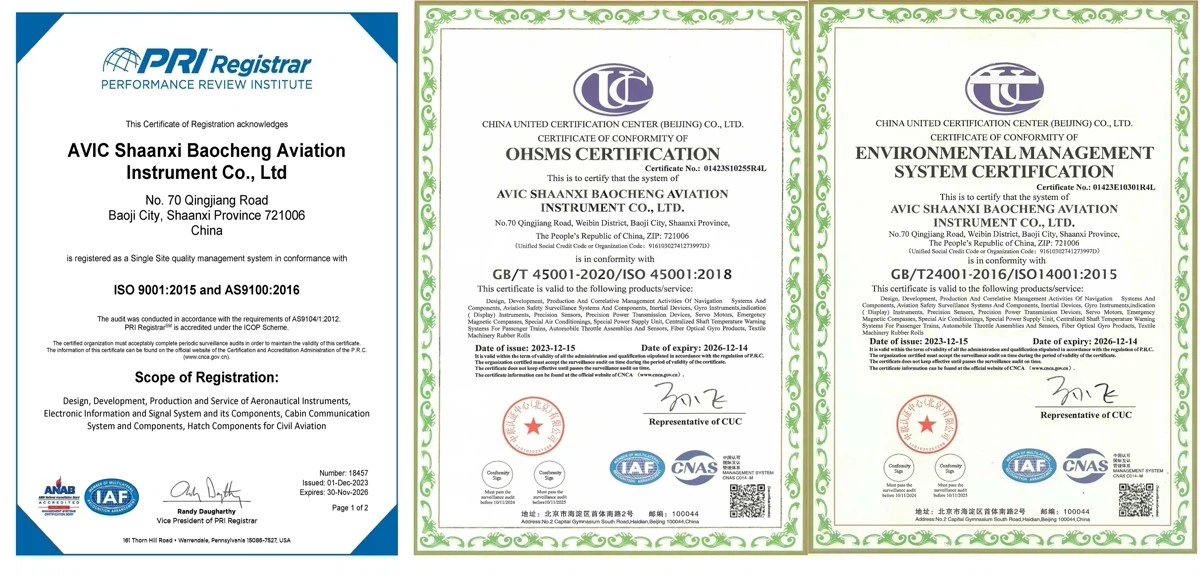
70years Aerospace Precision Instrument Manufacturing Background
FAQ
What is this aerospace instrument gear ring used for?
It is used in aerospace instruments, rotary indication systems, angular positioning mechanisms, sensor adjustment modules, and precision mechanical transmission assemblies.
Why is a 360-tooth gear ring useful for aerospace instruments?
The 360-tooth structure provides fine angular division, which is useful for rotary indication, angular positioning, and controlled low-speed mechanical output.
Is this gear ring suitable for high-speed transmission?
This gear ring is more suitable for low-speed precision positioning and instrument movement control, rather than high-speed or heavy-duty transmission.
Can this gear ring reduce pointer shake?
Gear accuracy and proper mating gear design can help reduce backlash-related movement, unstable meshing, and pointer fluctuation. Final performance also depends on the full instrument assembly.
Can the gear ring be customized?
Yes. Module, tooth number, bore, mounting holes, lightweight pockets, material, heat treatment, surface finish, and accuracy grade can be customized according to customer drawings.
Can you provide inspection reports?
Yes. Gear measuring reports and dimensional inspection records can be provided according to project requirements.
What information is needed for quotation?
Please provide 2D drawing, 3D model, mating pinion data, material requirement, gear accuracy target, inspection requirement, application background, and expected quantity.
Request a Custom Quote
Looking for a custom precision gear ring for aerospace instruments, rotary positioning modules, or angular indication mechanisms?
Send us your drawing, mating gear data, material requirement, accuracy target, inspection requirement, and expected quantity. Our engineering team can review manufacturability and recommend a suitable production solution.
on time Delivery

Hot Tags: aerospace instrument gear module 0.5, China aerospace instrument gear module 0.5 manufacturers, suppliers, factory, 0 3m Micro Spur Gear, 0 4m Precision Micro Spur Pinion Shaft, m0 2 Ultra Micro Module Gear Shaft, m0 2 Ultra Small Module Spur Pinion Slender Shaft, micro gears, Module m1 Precision Small Module Worm Shaft